
Turning Data into Decisions That Matter.
Data & Analytics
Transform complex data into clear, actionable insights with advanced analytics, business intelligence, and data-driven solutions designed to improve decision-making, optimize performance, and uncover new opportunities.
Trusted By







AT STRUKTURE
WE ARE OFFERING
Data Strategy & Advisory
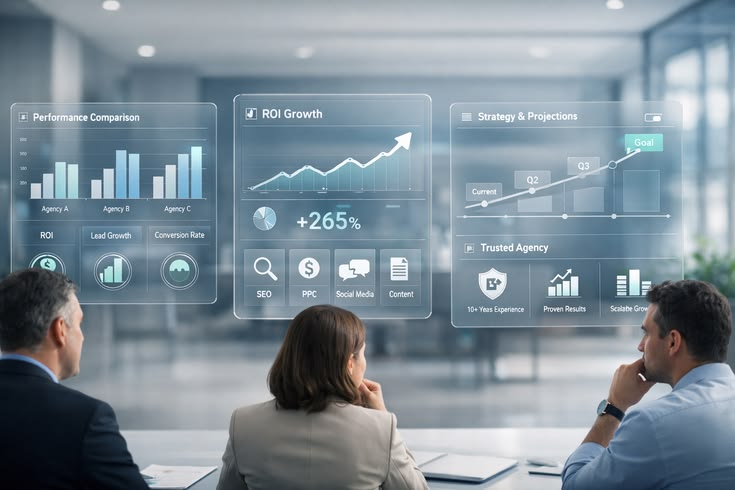
Data is one of the most valuable assets a modern business can leverage—but without the right strategy, fragmented systems, inconsistent information, and unclear ownership can make it difficult to turn data into meaningful business value.
Strukture’s Data Strategy & Advisory services help businesses establish a clear direction for how data is collected, managed, governed, analyzed, and used across the organization. We align data initiatives with business objectives to create a structured foundation for better decisions, operational efficiency, innovation, and long-term growth.
Data Governance
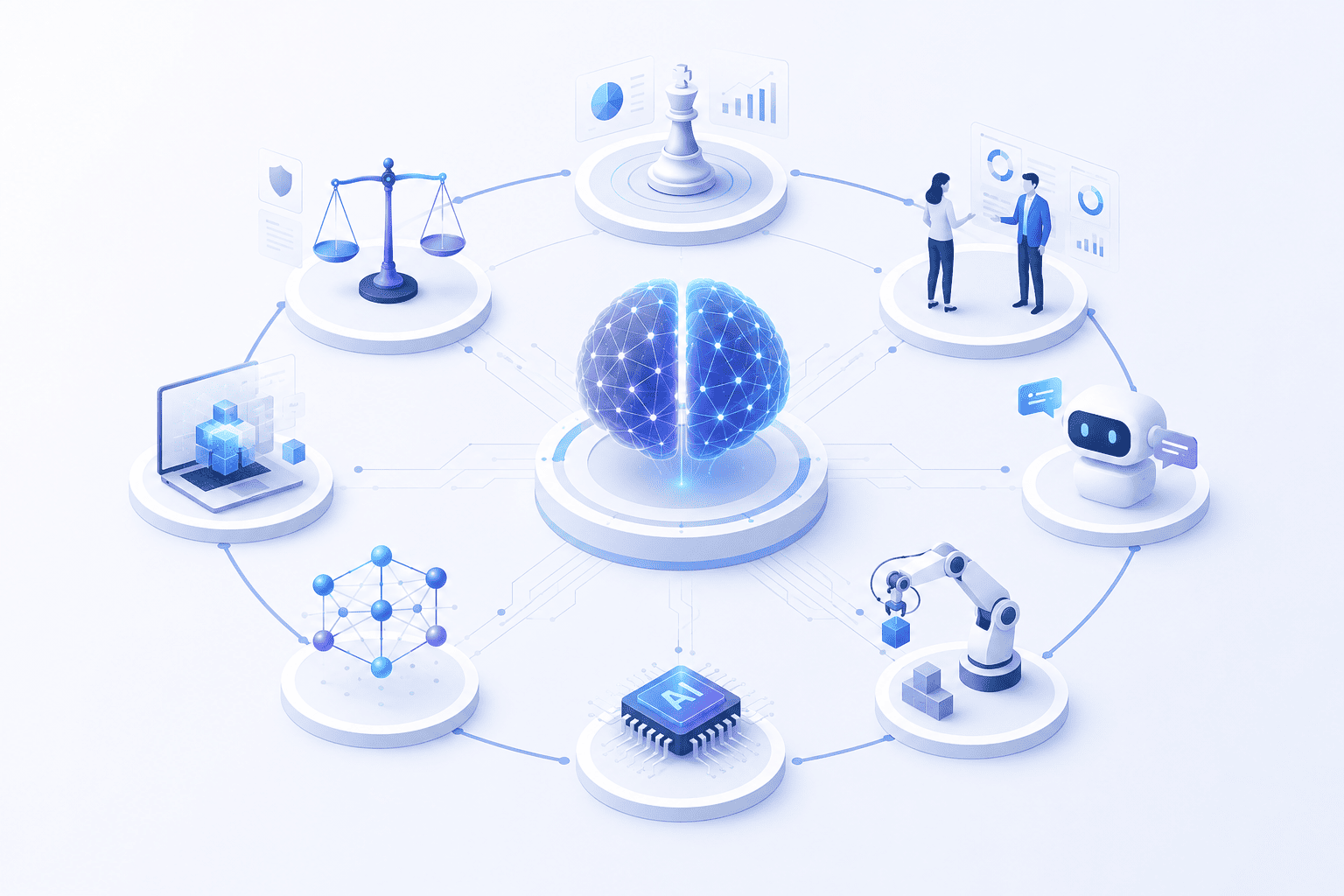
Reliable data is essential for effective decision-making, analytics, compliance, and AI-driven initiatives. Without clear ownership, standards, security controls, and quality processes, data can become fragmented, inconsistent, and difficult to trust.
Strukture’s Data Governance services establish the frameworks, policies, roles, and processes required to manage data responsibly throughout its lifecycle. We help create a structured governance environment where data is accurate, accessible, secure, compliant, and fit for business use.
Data Visualization
Turning Complex Data into Clear, Actionable Insights
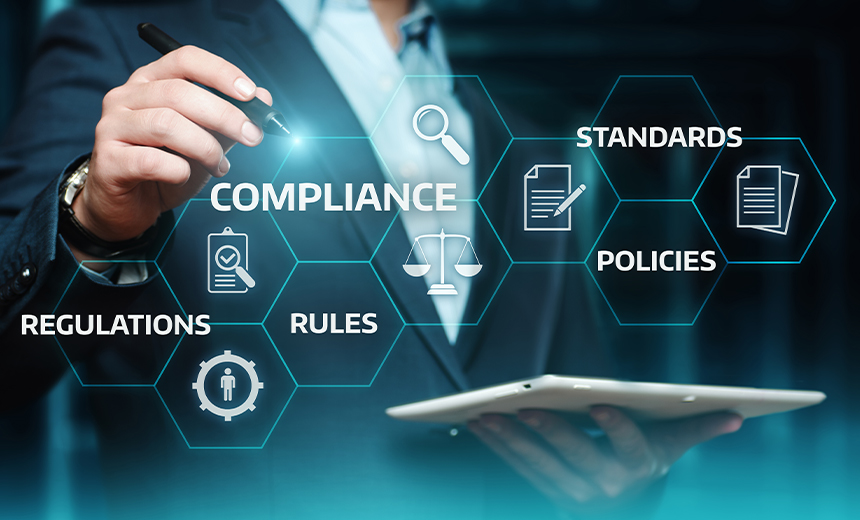
Data is most valuable when people can understand it quickly and use it confidently. Strukture’s Data Visualization solutions transform complex datasets into intuitive dashboards, interactive reports, and visually engaging analytics that make important trends, patterns, and performance indicators easier to identify.
Our approach combines data analytics, business intelligence, visualization design, and interactive reporting to present information in a way that supports faster and more informed decision-making.
Data Engineering Services
Modern businesses generate data across applications, cloud platforms, databases, devices, customer channels, and operational systems. Without the right engineering architecture, this information can become fragmented, difficult to access, and challenging to use for analytics or decision-making.
Strukture’s Data Engineering Services focus on designing, building, and optimizing the infrastructure and pipelines required to move, transform, manage, and deliver data efficiently. We create reliable data ecosystems that enable organizations to turn raw information into trusted, accessible, and analytics-ready data.
Our Pipelines Can Support:
- ✔ Data extraction
- ✔ Data ingestion
- ✔ Data transformation
- ✔ Data validation
- ✔ Data loading
- ✔ Workflow orchestration
- ✔ Error handling
- ✔ Pipeline monitoring
We Integrate Data From:
- ✔ ERP systems
- ✔ CRM platforms
- ✔ Databases
- ✔ Cloud applications
- ✔ APIs
- ✔ Business applications
- ✔ Files and structured datasets
- ✔ IoT and operational systems
Our Solutions
-
We develop ETL and ELT workflows to extract data from source systems, transform it according to business requirements, and make it available for analysis or operational use.
Our solutions can include:
Extract → Transform → Validate → Load → Monitor
We select the appropriate approach based on data volume, processing requirements, architecture, and business objectives.
Our Services Include:
- ✔ Data warehouse architecture
- ✔ Dimensional modeling
- ✔ Data transformation
- ✔ Data integration
- ✔ Performance optimization
- ✔ Reporting data preparation
- ✔ Data quality validation
We Design Modern Data Lake
- ✔ Large-scale data storage
- ✔ Data processing
- ✔ Analytics
- ✔ Machine learning
- ✔ AI workloads
- ✔ Business intelligence
- ✔ Data exploration
Our pipelines can support:
- ✔ Data extraction
- ✔ Data ingestion
- ✔ Data transformation
- ✔ Data validation
- ✔ Data loading
- ✔ Workflow orchestration
- ✔ Error handling
- ✔ Pipeline monitoring
Advanced Analytics & BI
Business Intelligence (BI) enables organizations to transform business data into meaningful information that supports informed, timely, and strategic decision-making. Rather than relying on disconnected spreadsheets, manual reports, or assumptions, BI brings data from different business systems into a structured environment where teams can monitor performance, identify trends, and understand what is driving business results.
Advanced Analytics takes this further by using statistical techniques, predictive models, machine learning, and intelligent algorithms to identify patterns, forecast outcomes, detect anomalies, and support proactive decision-making.
Together, Advanced Analytics and BI create a connected approach to business intelligence:
Data → Information → Insights → Prediction → Action

Master Data Management
Master Data Management (MDM) provides a structured approach to creating, maintaining, and governing a trusted version of an organization’s most important business data. It brings master data from different sources together, applies consistent standards, improves data quality, and establishes clear ownership and governance.
With an effective MDM framework, businesses can create a single source of truth that supports reliable reporting, analytics, business processes, integrations, and AI initiatives.
MDM Strategy & Roadmap
Develop a practical MDM strategy aligned with business priorities, data requirements, technology environments, and long-term objectives.
Master Data Assessment
Evaluate existing master data sources, quality issues, duplication, ownership, processes, and integration challenges.
Data Standardization
Establish common formats, definitions, naming conventions, classifications, and business rules across systems.
Data Governance & Stewardship
Define ownership, accountability, policies, workflows, and controls for managing master data throughout its lifecycle.
Data Quality Management
Define ownership, accountability, policies, workflows, and controls for managing master data throughout its lifecycle.
Data Modernization
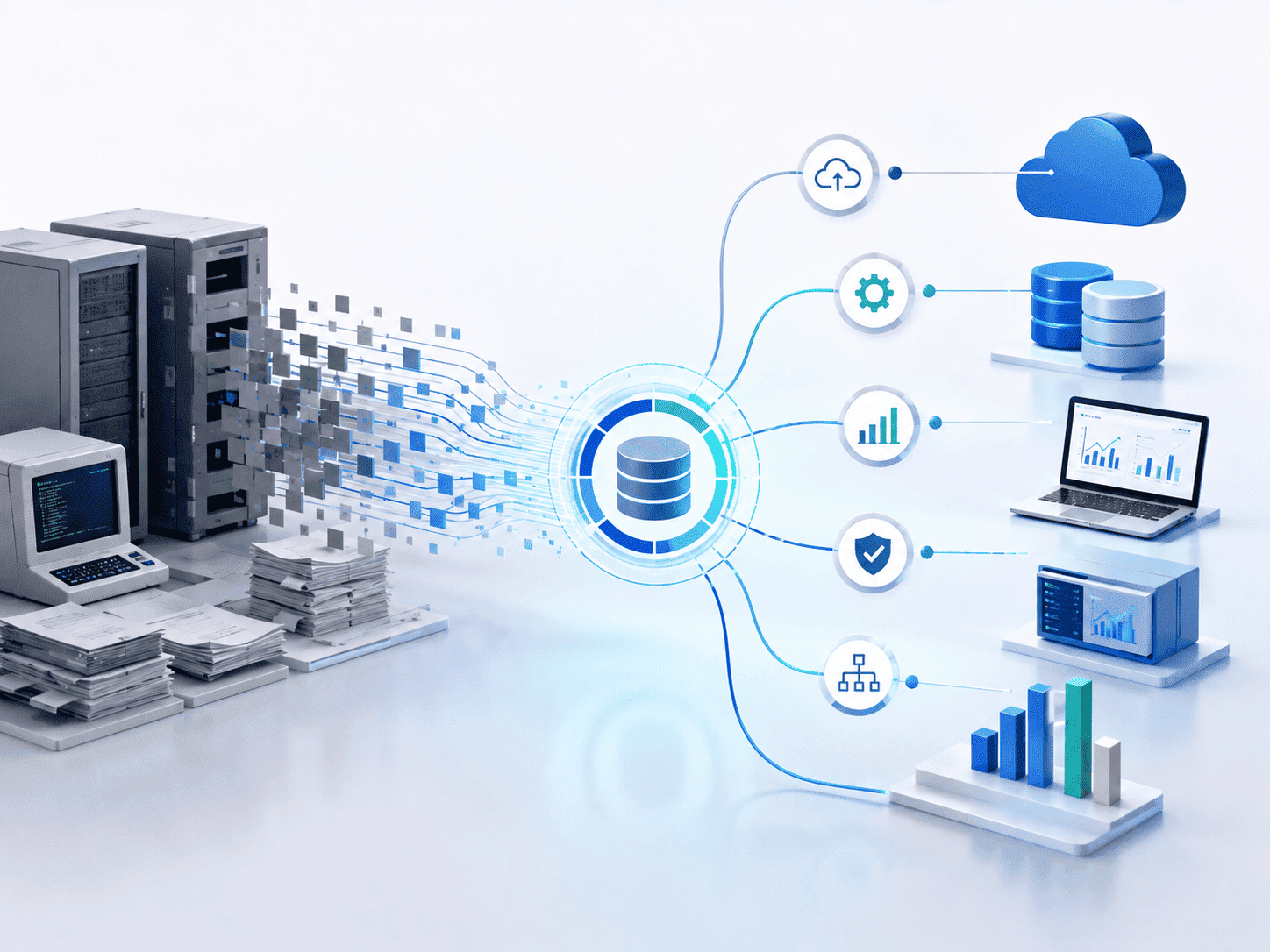
Data Modernization is the process of transforming these traditional data environments into modern, scalable, secure, and flexible data platforms. It can involve modernizing databases, migrating workloads to the cloud, redesigning data architectures, improving integration, upgrading data pipelines, strengthening governance, and preparing information for advanced analytics and AI.
Strukture’s Data Modernization services help organizations build a stronger data foundation that supports better accessibility, improved performance, greater scalability, and intelligent decision-making.
Modernize Legacy Data Systems
Transform outdated databases, applications, and data environments into modern, scalable architectures that improve performance, flexibility, and accessibility.
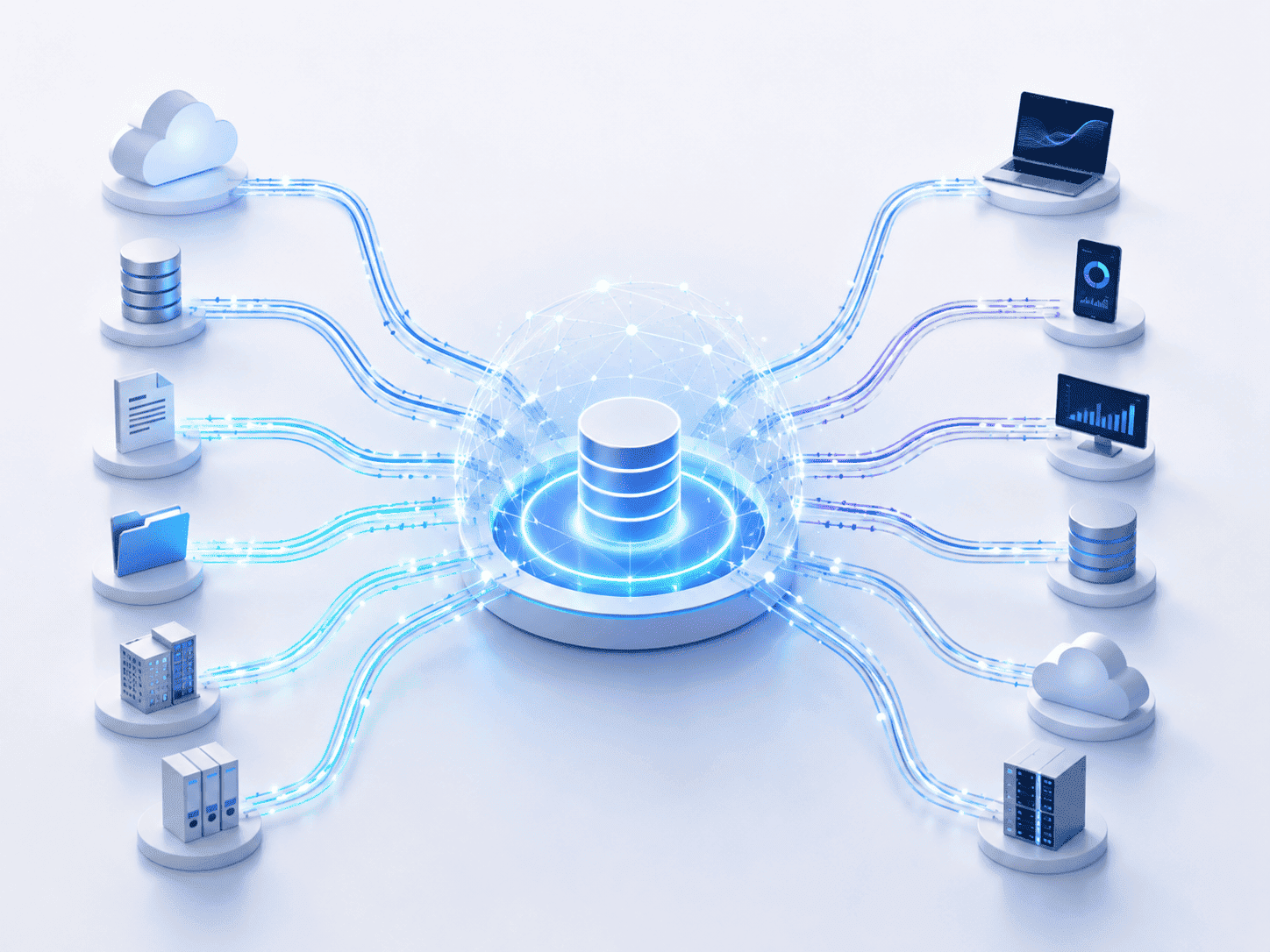
Connect & Integrate Data
Break down data silos by connecting information across cloud platforms, enterprise applications, databases, and business systems to create a unified data environment.
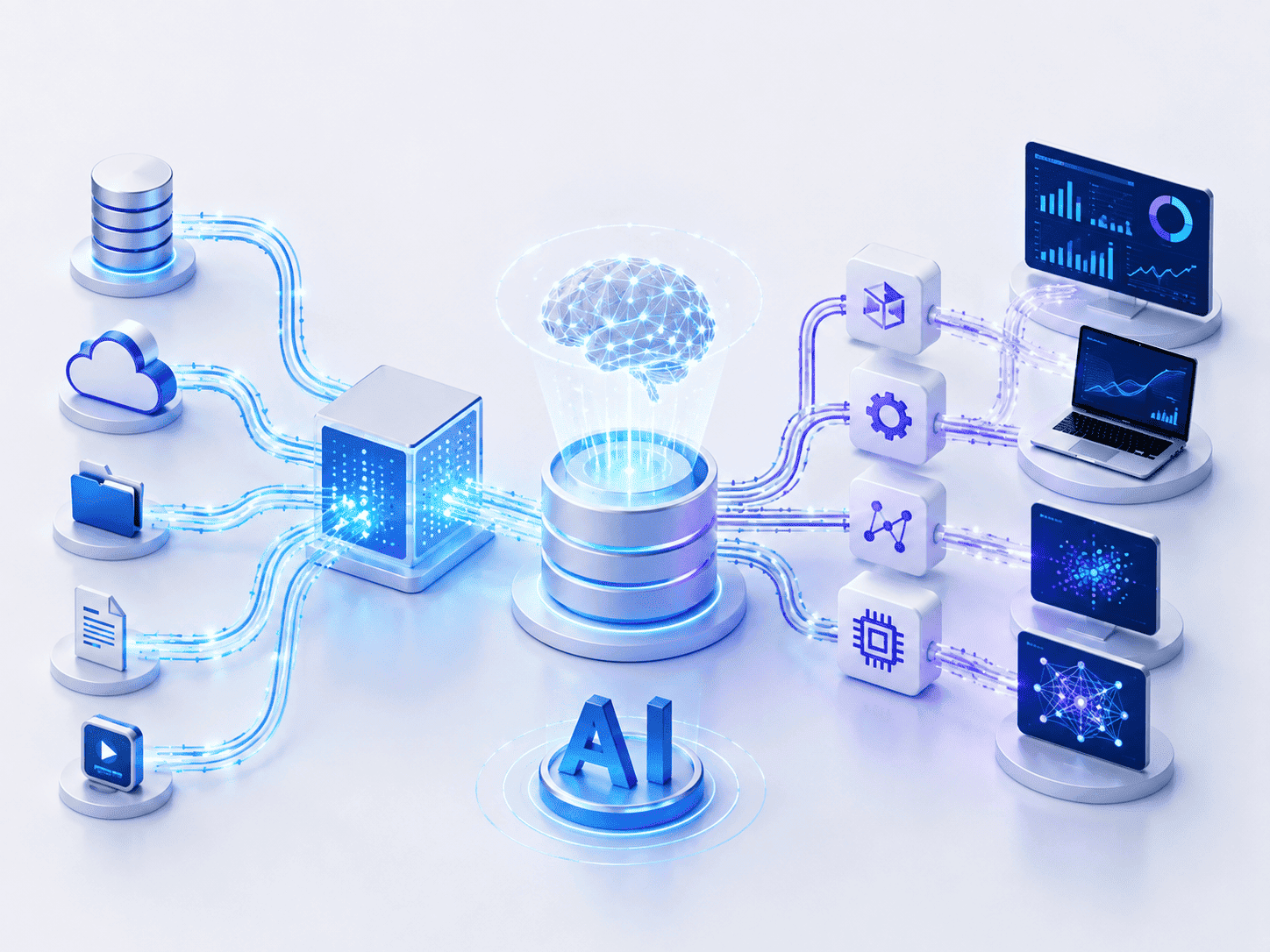
Build for Analytics & AI
Prepare your data infrastructure for Business Intelligence, Advanced Analytics, AI, and Machine Learning with reliable, governed, and easily accessible data.